 |
|
Integrate, Customize and Make Accessible:
|
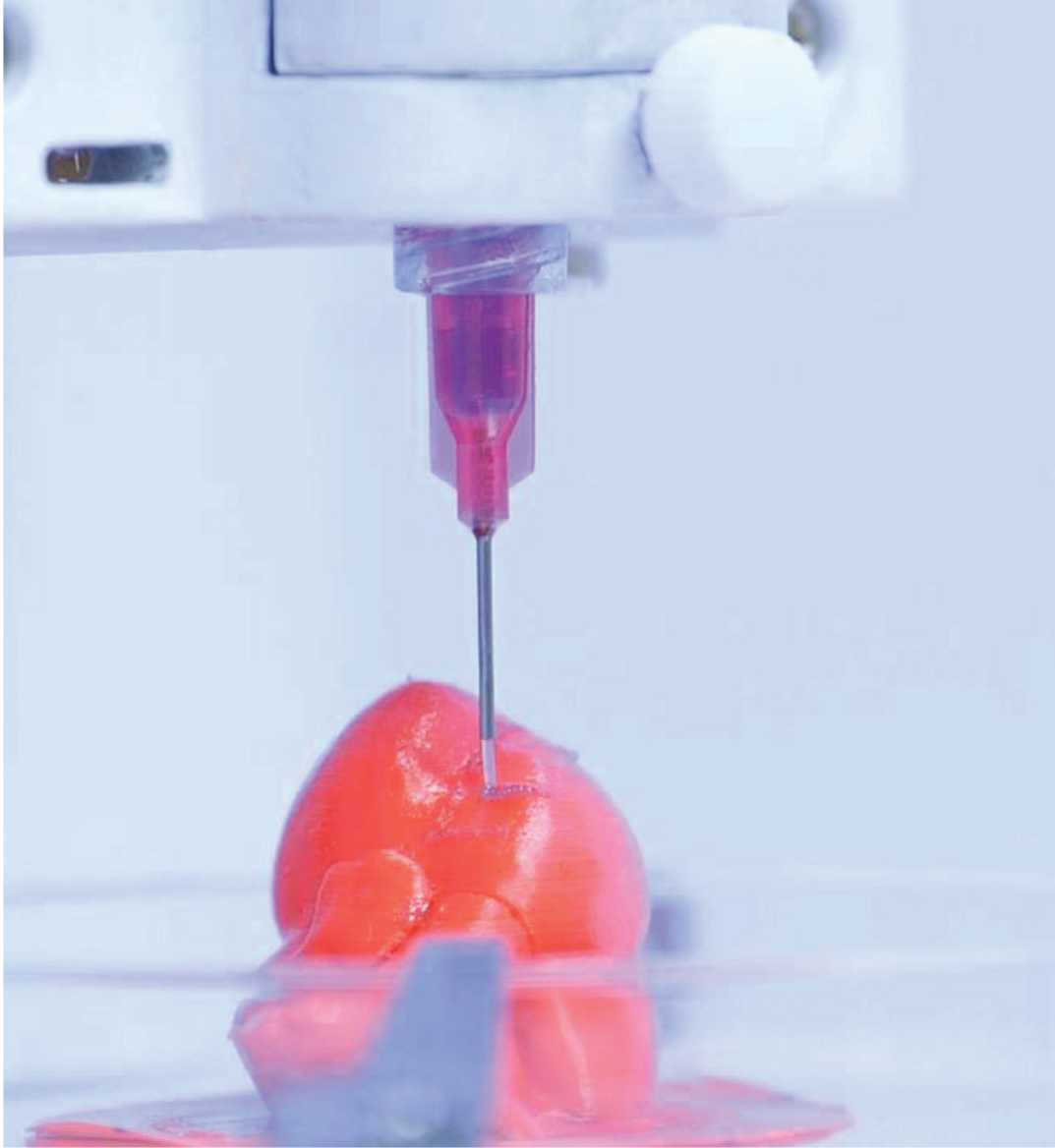
Guest Speaker:• Da-Yae Lee When:Thursday 9 September Where:Conference: l’hôpital Saint François d’Assise Meetings: Univeristé Laval |



Discount Products: Look through products available for a 25% – 50% discount in 2020. The items provided on a first come, first serve basis. View Discounted Products
|
|
Integrate, Customize and Make Accessible:
|
Guest Speaker:• Da-Yae Lee When:Thursday 9 September Where:Conference: l’hôpital Saint François d’Assise Meetings: Univeristé Laval |
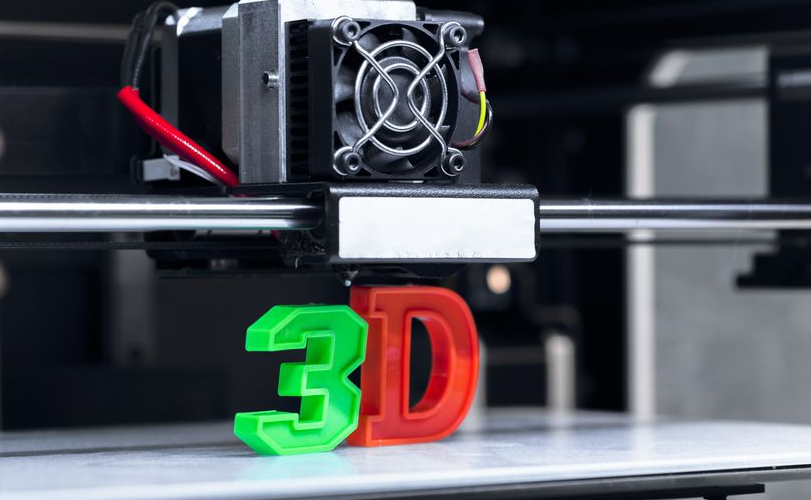
The world of 3D Ceramic Printing has come a long way since the 1980s when it was considered suitable only for the production of functional or aesthetic prototypes, and a more appropriate term for it at the time was “rapid prototyping”. Today, the the precision, repeatability, and material range of 3D printing have increased to the point that some 3D printing processes are considered viable as an industrial-production technology, whereby the term “additive manufacturing” can be used synonymously with 3D printing.
In this article we are going to look at 3D printing—or additive manufacturing if you will—using ceramic materials for the following applications:
1) Production of ceramic foundry cores;
2) Optimization of optical instrumentation.
Before we get too far into the weeds with the two applications highlighted above, let’s briefly have a look at the types of ceramics used in 3D printing. Generally speaking, the qualities of ceramic materials are: high strength, high dimensional stability (low coefficient of thermal expansion), low density, high resistance to abrasion and corrosion, and exceptional chemical stability. There is a variety of ceramic materials used in 3D printing, which are categorized into:
3D Ceram Sinto, a leader in the world of 3D ceramic printing, offers a full range of ready-to-use ceramic pastes for use with their CERAMAKER printers. Naturally, they advise their customers on the critical issue of the ceramic paste best suited to the application at hand, but can also create ceramic paste formulations according to specifications provided by their customers.
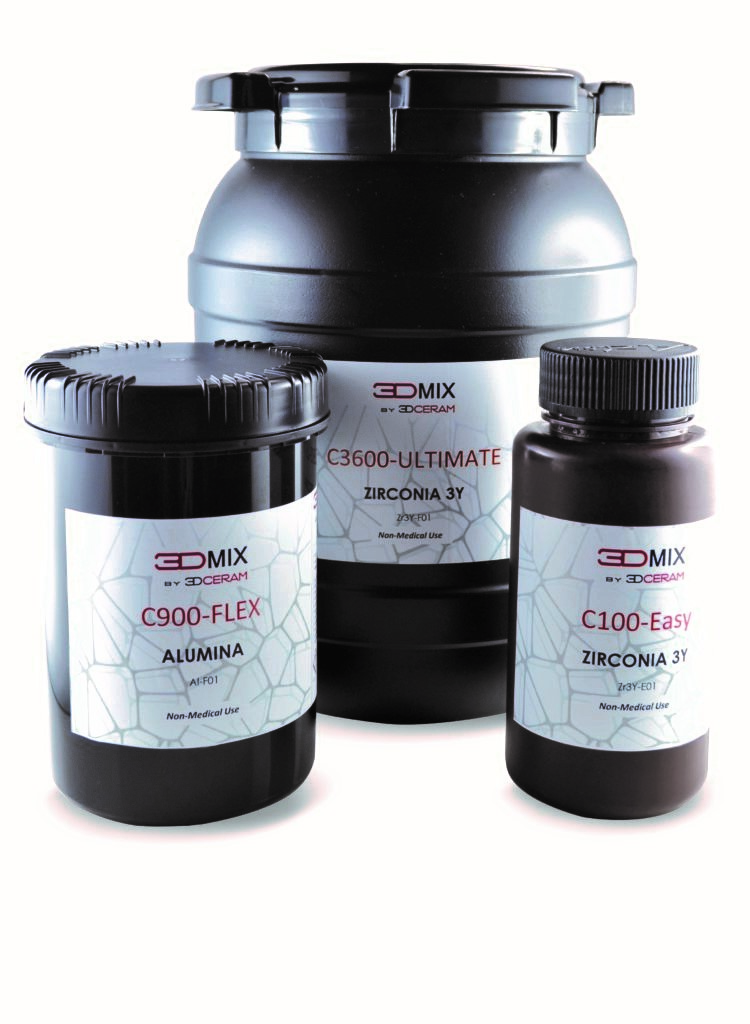
3D Ceram ceramic paste
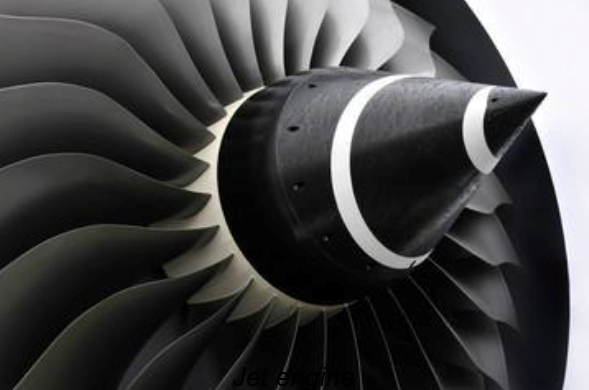
Foundry cores are integral to the production of turbine blades for aviation, aero-derivative and land-based gas turbines. Up to now manufacturing cores has been a time- and labour intensive process. Today, in an effort to lower fuel consumption, improve turbine efficiency and decrease engine emissions, core designs are becoming increasingly complex. Making a complex, porous ceramic foundry core using conventional manufacturing processes involves making the core in several pieces and then assembling them manually. The likelihood of a problem occurring in this process is considerable, resulting in wasted time and materials—and excessively high costs.
Some of the constraints applied to core production:
Additive manufacturing brings a new dimension to conventional industrial processes, allowing all of these elements to be controlled. In addition to saving time and materials and increasing productivity in the production of ceramic foundry cores, the technology delivers the following benefits:
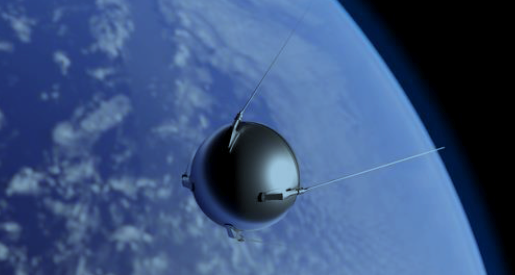
3D printing is one of the key technologies for devising innovative solutions contributing to the optimization of optical instruments, such as a plane mirror for a front-end laser engine (galvo-mirror for high-energy laser application). 3D printing can greatly enhance the design and manufacturing of the optical substrate of such an instrument.
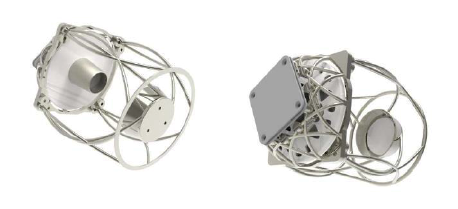
Two types of mirror
The use of additive manufacturing for the production of optical instruments has the following benefits:
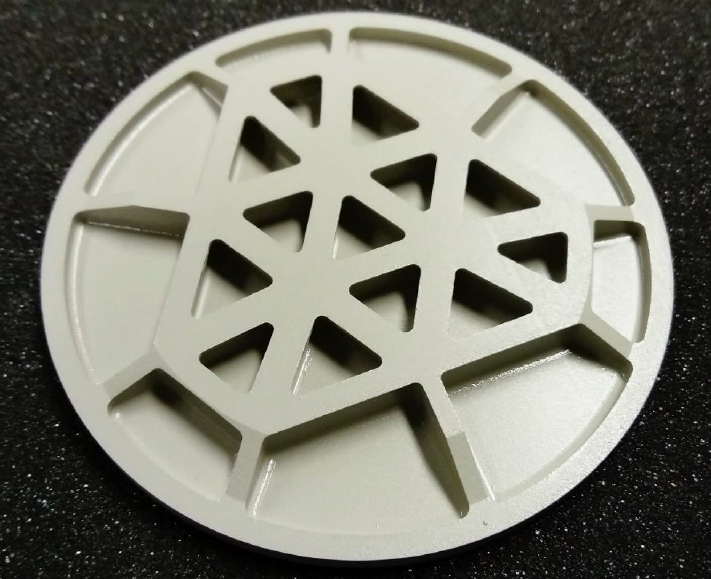
As a result of new additive manufacturing technology, optical substrates and mirrors can now be more compact, thus allowing for additional functions while still keeping volume and mass low.
We’ve touched on the ceramic pastes used in 3D ceramic printing and must do likewise with 3D ceramic printers. The number of ceramic 3D printers on the market has increased steadily in recent years and many industrial solutions are now available. Indeed, more manufacturers are offering professional solutions, capable of designing high-quality parts with increasing speed.
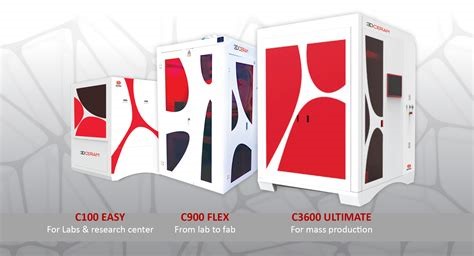
3DCeram Sinto is undoubtedly one of the historical players in ceramic additive manufacturing and has developed a professional range based on a stereolithography process. 3D Ceram Sinto’s CERAMAKER 3D printer family has the widest range and most
practical printing platforms of any company in the market, ranging from the C100 (100 x 100 x 150 mm) to the C3600 (300 x 300 x 100 mm). Taking shrinkage into account, you can produce parts with dimensions up to Ø500 mm with the CERAMAKER C3600.

During this webinar, hosted by Oils & Fats International, we will discuss how both time domain NMR (TD-NMR) and benchtop NMR spectroscopy are used to measure oils and fats throughout the food chain; from harvest through to manufacturing of ingredients and the food products themselves. For example, fat content is an important parameter for quality assurance and control of snacks, confectionery and food ingredients. Other TD-NMR measurables include the melting profile of edible oils/fats and droplet size in food emulsions such as dairy and non-dairy spreads.
Benchtop NMR spectroscopy can quantify the proportion of saturated, monounsaturated, polyunsaturated and omega-3 fatty acids in a variety of foods. Furthermore, spectra can be used to distinguish and authenticate different vegetable oils and meats as well as test for robusta in Arabica coffee.
Please note: if you are unable to join us, the session will be recorded and communicated with registered guests only. Please register to receive this communication.
 |
Dr Kevin Nott
Product Manager and Applications Specialist at Oxford Instruments Kevin has been an applications specialist and then product manager at Oxford Instruments since May 2005. Kevin was previously at the University of Cambridge where he researched into non-medical applications of Time Domain NMR and MRI. |

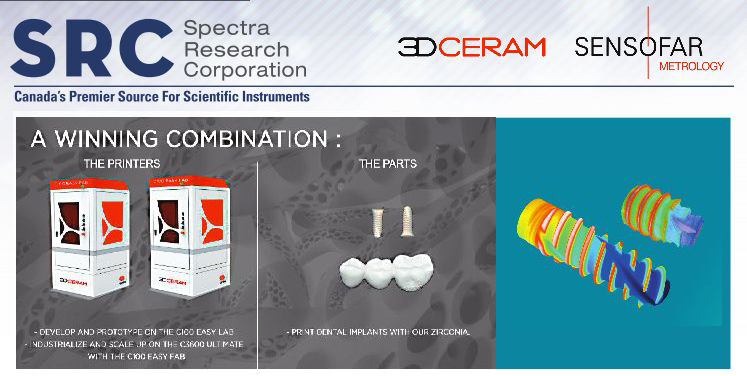
3D printing of ceramics enables a design freedom that is not achievable using tradition methods in the dental industry.
We will discuss how we can achieve with our Ceramics 3D printers tight tolerances while maintaining high strength and hardness that are
comparable to tradition manufacturing technologies.
Case studies will highlight some of the success stories that we have achieved for dental applications.
Our experts will bring you all they have learned from the multiple surface measurements they have taken on samples from the dental implant field.
Key Topics:
| Guest Speakers: | |
| Peter Durcan VP of Sales for North AmericaPeter Durcan with over 3 years in additive ceramics, a bachelor of commerce degree holder with an MBA from the Open University, United Kingdom. Peter, an Irish national who has been running the North American market with 3D Ceram for the past 2 years. |
 |
| Natalia Bermejo Product SpecialistNatalia joined Sensofar shortly after finishing her bachelor’s degree in Nanoscience and Nanotechnology at Universitat Autònoma de Barcelona (UAB) in 2018. Since then, she has been providing technical and application’s support for the Sales Team, as well as training and installing systems for prospective clients and customers. In 2020, Natalia moved to Silicon Valley, providing support to high-tech companies, as well as being the bridge between Sensofar and California’s distributor of the Sensofar brand. Currently, Natalia has returned to Barcelona HQ, and she’s has taken on an additional role supporting the Marketing Team, participating in content generation for the Sensofar channel. |
 |
SRC is pleased to announce that we have concluded an agreement with Cordouan Technologies to be exclusive distributor in Canada of their VASCO KIN™ particle analyzer— a role we take on with great enthusiasm.
The VASCO KIN™ is a Nanoparticle Size Analyzer. A new generation of time-resolved instruments for accurate kinetic analyses combined with an in situ and contactless remote optical head. It allows for real-time monitoring of nanoparticle synthesis, agglomeration or the stability of suspensions using Dynamic Light Scattering (DLS). With a single and continuous measurement, VASCO KIN™ gives access to all characterization data of a reaction (size distribution, scattered intensity, correlogramms, etc.).
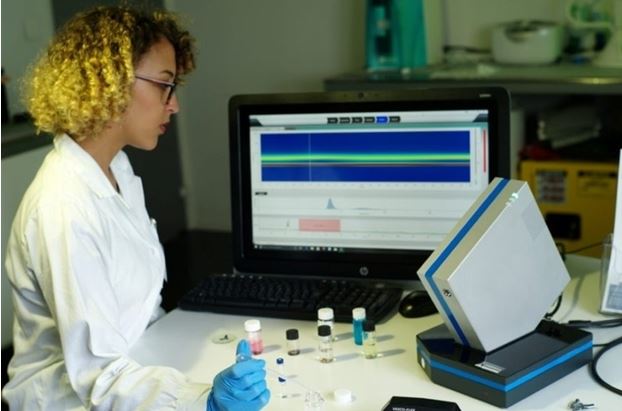
Cordouan Technologies is a French company specializing in advanced solutions for characterization (size, charge, etc.) of nanoparticles and nanomaterials. They develop, industrialize, manufacture and sell innovative instruments dedicated to academic research and industrial applications (process monitoring, quality control and R&D).
Cordouan Technologies’ unique product portfolio stems from patented and innovative technologies transferred from prestigious institutes, including Institut Français du Pétrole (IFPEN), Karlsruhe Institute of Technology (KIT) and Institut Charles Sadron (ICS).


Surface wettability and adhesion are vital phenomena in a variety of industries ranging from coatings industry to pharmaceutical and biomaterial industry. A simple and efficient contact angle measurement is often used for characterizing the water repellency and other properties such as how successful a surface treatment has been. In this webinar, we will go through the background and significance of different contact angles: where do they originate from, why are they important and how they can be measured in practice. We will give examples of situations where different kind of contact angle measurements are effective in characterizing the water repellency of a surface.

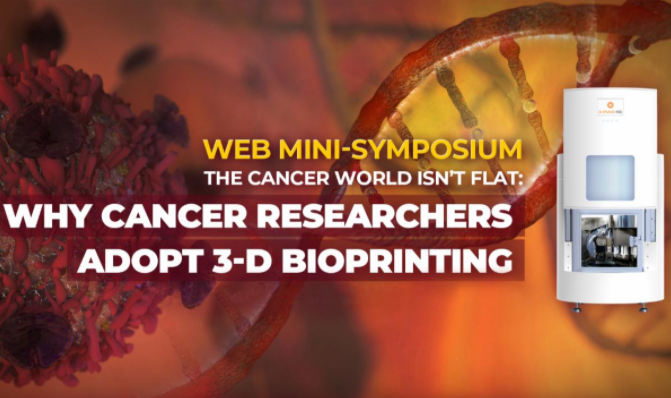
The growing push for 3-D tissue models is limited by challenges in automated handling, processing and scalability of the technology to various types of materials and high-throughput applications. To meet these challenges, ROKIT Healthcare has developed all-in-one bioprinting platforms and human-cell derived ECM bioinks that allow researchers to biologically mimic the formation of complex, heterogeneous 3-D structures and to scale the technology to high-throughput applications. This webinar will focus on the platform’s usage in cancer biology. It will discuss evidence for 3-D bioprinting capturing altered proliferation and cell morphology profiles, revealing more realistic drug responses, and mimicking vascularized tumor microenvironments – to suggest why bioprinting of cancer cells is a scientifically rigorous method to generate physiologically relevant cancer models for preclinical screening and testing, as well as for new therapy research. You will learn about:
– Key advantages of 3D bioprinting over other techniques
– Five alterations in cellular physiology of cancer cells in 3D vs. 2D
– Evaluation of how 3D bioprinted tissues have altered proliferation and cell morphology
– Evaluation of how 3D bioprinted tissues reveal more realistic drug responses
– Evaluation of how 3D bioprinted tissues mimic complex tumor-immune microenvironments
– Built-in cell incubator, diverse material use, and high-throughput capabilities of ROKIT Healthcare’s all-in-one bioprinting platform Dr. INVIVO 4D6
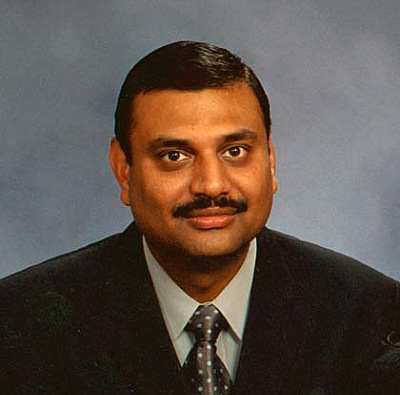 |
Dr. Sanjay GuptaProfessor & Research Director
Dr. Sanjay Gupta is a Professor & Research Director and holds Carter Kissell Endowed Chair in Urologic Oncology in the Department of Urology at Case Western Reserve University and The Urology Institute at the University Hospitals Case Medical Center. Dr. Gupta’s research focuses on understanding the risk factors and mechanisms of prostatic and bladder diseases, develop appropriate biomarkers for early detection and prognosis, identify novel targets to monitor the efficacy of various synthetic and natural agents and develop them as chemo preventatives/therapeutics Dr. Gupta has authored some 150 publications, including book chapters, research articles and reviews, and has spoken at several occasions in cancer prevention symposium, seminars and meetings. He has been serving in various study sections at National Cancer Institute (NCI) and Department of Defense (DOD), and other councils around the globe. |
|
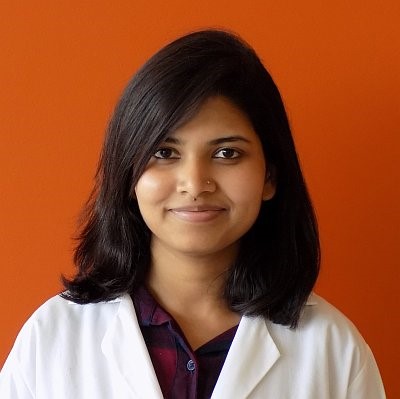 |
Madhuri DeyPh.D Candidate @Ibrahim Ozbolat Lab – Penn State University
Talk Title: 3D BIOPRINTING OF THE CANCER MICROENVIRONMENT
|
|
 |
Da-Yae LeeSenior Bio-Consultant @ROKIT Healthcare
Talk Title: ALL-IN-ONE BIOFABRICATION IS THE KEY TO UNRAVELING CANCER COMPLEXITIES
|
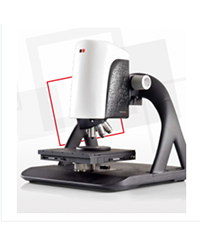

Received bachelor’s degree in Engineering Physics at Polytechnic University of Catalonia (UPC) and MSc in Nanoscience and Nanotechnology at University of Barcelona (UB). As a Sales Specialist, I’ve helped customers all around the world to choose Sensofar’s systems, no matter the field they are in. Some of my duties are to communicate Sensofar’s knowledge about optical metrology and train our customers on how to extract all the potential from our 4-in-1 technology equipment.

SRC is pleased to introduce Sensofar Metrology’s new metrology tool for wide areas—the S wide. The S wide is a dedicated system designed to rapidly measure large sample areas up to 300 x 300 mm. It provides all the benefits of a digital microscope integrated into a high-resolution measuring instrument. On top of that, with single button acquisition, it is extremely easy to use.
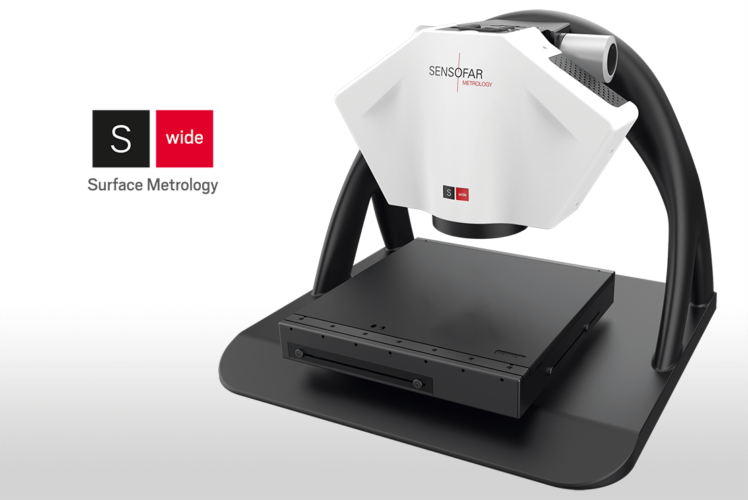
Large-area 3D optical system
The S wide is a large-area 3D optical system providing solutions in the following fields:
S wide features
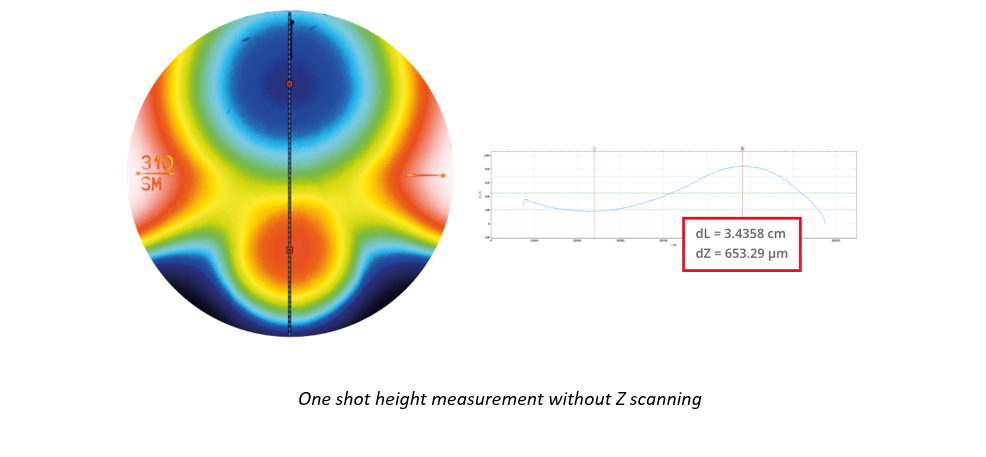
Traceability
Every S wide is manufactured to deliver accurate and traceable measurements. Systems are calibrated using traceable standards according to ISO 25178 and VDI 2634-2.
Request a quote
Click here to request a quote on a Sensofar Group product.
About Sensofar Metrology
Sensofar Metrology is a member of the Sensofar Group, headquartered near Barcelona, a technology and innovation hub. Sensofar Metrology’s mission is to develop, manufacture and market high-end 3D surface metrology instruments. They also provide consultancy within the field of metrology, and pursue a philosophy of guaranteeing advanced techniques, high quality and customer service.